Today, the Supreme Court of the United States handed down a decision that feels like a step backward, and I do not say that lightly.
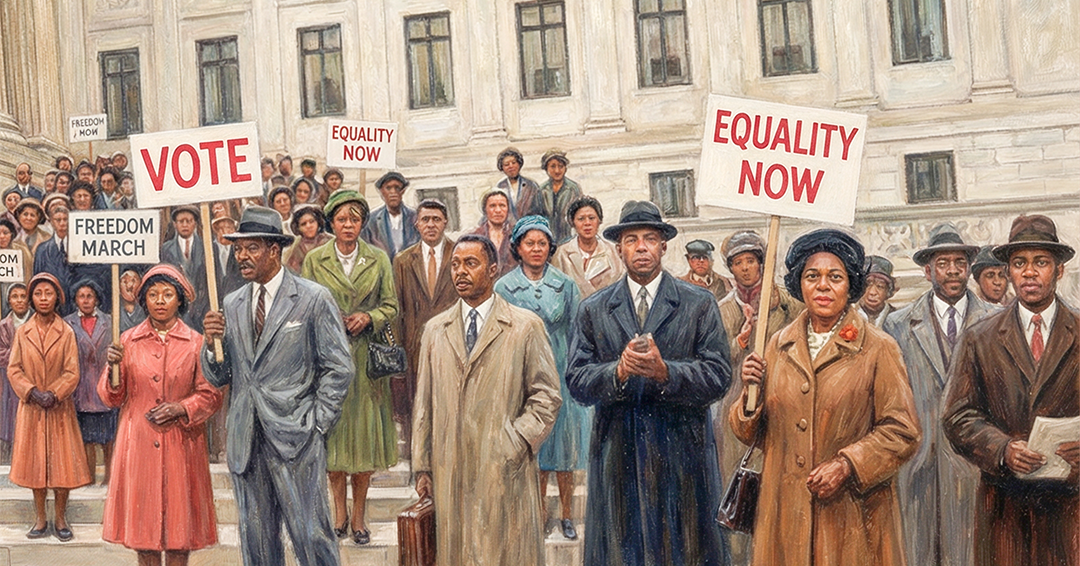
I think about my great-great-grandfather, Smallwood “Small” Ackiss, who was born into slavery and, after the Civil War, became one of the first Black men in his community to vote, something that was not given but claimed at great cost.
I also think about his great-granddaughter, Evelyn Butts, who challenged the poll tax all the way to the Supreme Court and helped end a system that made people pay to vote.
That history is not distant to me, it is my family, and that is why today’s decision lands the way it does.
The Court has made it harder to challenge voting maps that weaken the power of minority voters, because what once could be shown through a harmful effect will now often require proof of intentional discrimination.
Anyone who understands our history knows how difficult that is, because discrimination has rarely announced itself plainly and has instead adapted, using neutral language while producing unequal results.
This decision does not erase the right to vote, but it changes how that right is protected, and for me, that is where the concern lies.
From Small’s first vote to Evelyn’s fight, the lesson has always been the same: access alone is not enough, protection matters, participation matters, and vigilance matters.
We have seen barriers before, some obvious and some carefully constructed, and the question now is not only what the Court has done, but what we do next, how we participate, and whether we choose to use the rights that so many fought to secure.